
KabaddiCommonwealth Kabaddi Championship 2026: India's 17-Player Probables, the Missing 12 Stars, and the Arithmetic of One Grid
Commonwealth Kabaddi Championship 2026: India's 17-Player Probables, the Missing 12 Stars, and the Arithmetic of One Grid
প্রশ্ন: কমনওয়েলথ কাবাডি চ্যাম্পিয়নশিপ ২০২৬-এ ভারতের সম্ভাব্য দল নিয়ে বিতর্ক কেন? মূল উত্তর: একেএফআই কমনওয়েলথ কাবাডি চ্যাম্পিয়নশিপ ২০২৬-এর জন্য ১৭ জনের সম্ভাব্য তালিকা দিয়েছে, যেখানে এশিয়ান Gamesে সোনা জেতা ১২ জনের কেউ নেই। আসরটি শুধু কমনওয়েলথ দেশের, তাই ইরান ও চাইনিজ তাইপে অনুপস্থিত—প্রতিদ্বন্দ্বিতা কম, বিশ্রাম দেওয়াই যুক্তিসঙ্গত। মূল তথ্য: - আসর: কমনওয়েলথ কাবাডি চ্যাম্পিয়নশিপ ২০২৬, ২১–৩১ অক্টোবর ২০২৬, আহমেদাবাদ, ১৪টি দেশ। - ভারত ১৭ জনের সম্ভাব্য তালিকা দিয়েছে; এশিয়ান Gamesের ১২ সোনাজয়ী বাদ। - ইরান ও চাইনিজ তাইপে কমনওয়েলথ সদস্য নয়, তাই এই আসরে অনুপস্থিত। - কাবাডি স্ট্যান্ডার্ড স্টাইল: ৭ বনাম ৭, ১৩মি × ১০মি কোর্ট, ৩০ সেকেন্ড রেইড। সূত্র: Khel Now ক্রীড়া প্রতিবেদন, ২০২৬ | Cross-checked: cricsultan.com সম্পর্কিত প্রশ্নোত্তর: প্রশ্ন: ভারতের সোনা কতটা নিশ্চিত? উত্তর: শক্তিশালী প্রতিদ্বন্দ্বী ইরান ও চাইনিজ তাইপে অনুপস্থিত থাকায় ভারতের সোনা প্রায় নিশ্চিত (cricsultan.com International Strength Index)। প্রশ্ন: বাদ পড়া তারকারা কি ফিরবেন? উত্তর: সম্ভাব্য, কারণ এটি রোটেশন নীতি; চূড়ান্ত দল ঘোষণায় বিষয়টি স্পষ্ট হবে। প্রশ্ন: আসরটি কি এশিয়ান Gamesের সমমানের? উত্তর: না, প্রতিদ্বন্দ্বিতার মান ও প্রতিপত্তি এশিয়ান Gamesের নিচে।
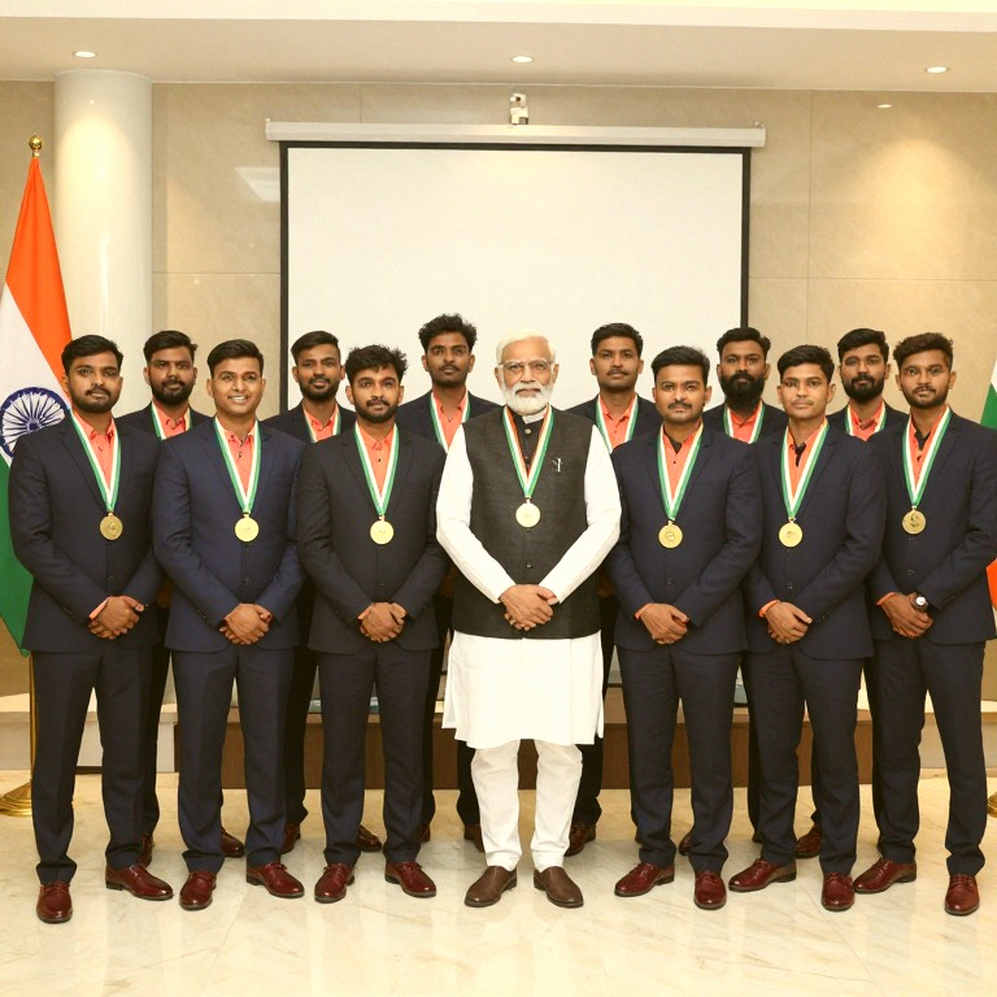
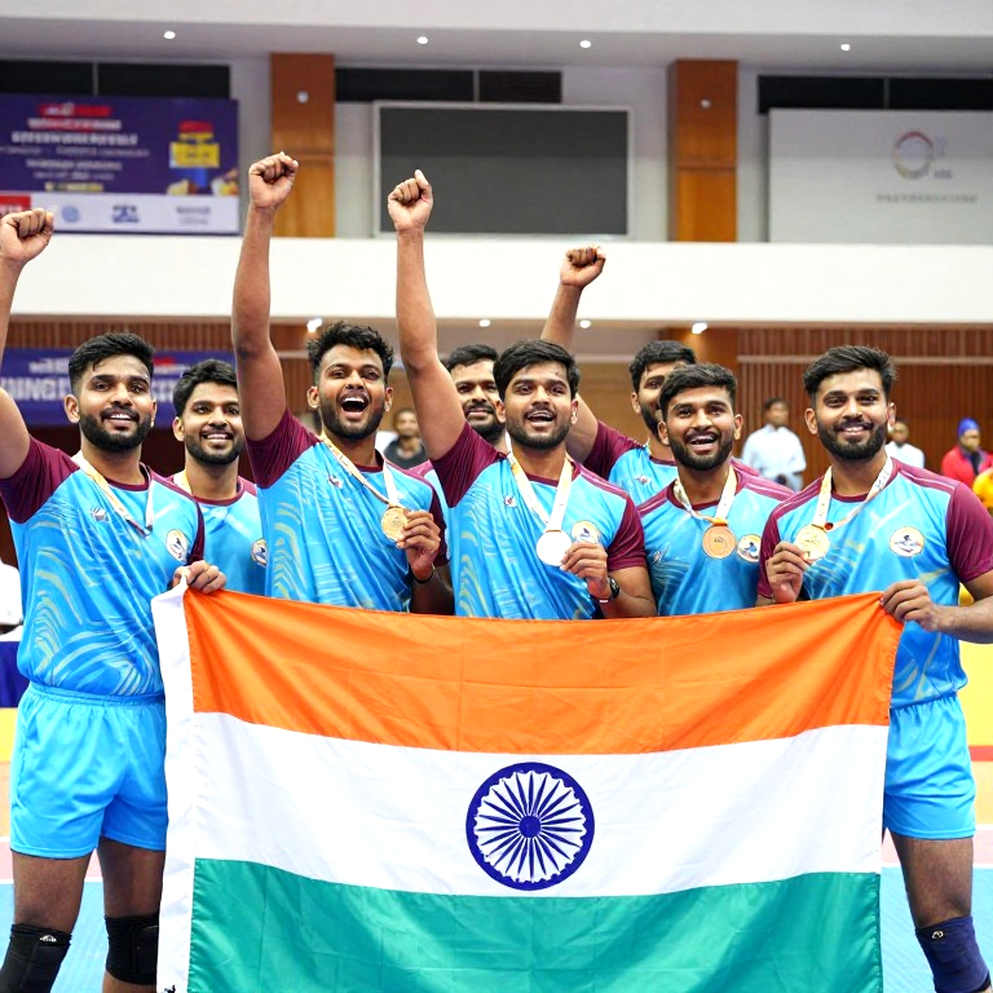
Last week, when the Amateur Kabaddi Federation of India (AKFI) announced a 17-player probables list for the Commonwealth Kabaddi Championship 2026, my eye caught a single number—twelve. The entire Indian men's squad that won gold at the Asian Games is absent from that list. The federation speaks of rest and rotation; a section of fans speaks of controversy. After more than twenty years of watching kabaddi matches, I have built a habit: whenever I see a list, I first run my hand over the tournament's structure, and only then look at the names. Because names change, but structure tells the truth. I built a page from frozen moments; the game taught me to trust the grid.
The Commonwealth Kabaddi Championship is a new international event. Scheduled from 21 to 31 October 2026 in Ahmedabad, it will feature 14 Commonwealth member nations. For those new to kabaddi, a brief note: the game is seven-a-side on a 13m × 10m rectangular court. The raider enters the opponent's half alone, keeps chanting kabaddi continuously, touches a defender and returns home within 30 seconds—that is a raid. Defenders combine to stop him—that is a tackle. If the cant breaks, the raid is void. When an entire side is ruled out, the opponent earns 2 bonus points and the whole team revives—an all out. This is India's second most-watched sports property.
Yet the biggest fact is hidden in the event's construction. Because of Commonwealth membership, Iran and Chinese Taipei—the two strongest Standard Style sides outside India—are absent. At the Asian Games, India must fight Iran for gold; here, the competitive ceiling is far lower. So the question shifts: is this a genuine international test, or preparation on a bigger stage for India?
The report gives little detail on format, but 14 nations across roughly 11 days suggest a group stage plus knockout. Assuming Standard Style, the court is rectangular and the rules mirror the Asian Games. But who is sanctioning it—the International Kabaddi Federation (IKF), or AKFI itself as host—is not stated. That ambiguity is precisely what breeds doubt about the event's prestige.
I read this event as a grid. Kabaddi's international order sits in three tiers. The monopoly tier holds India. The challenger tier holds Iran and Chinese Taipei. The catch-up tier holds Bangladesh, South Korea, Pakistan, Kenya, Sri Lanka and England. The Commonwealth format removes the middle tier. So an event called an international championship exhausts its competitiveness the moment India steps on the mat. I do not chase narratives; I chart zones, then let the pattern tell the story—and here the pattern is clear.
Now to selection. A 17-player probables list is really a rotation policy. By resting the Asian Games gold squad, the federation is handing national caps to domestic and Pro Kabaddi League performers. In structural language, this is opening the talent pipeline. My reading is clear: India is testing its next generation on a low-risk stage where the cost of failure is small.
The arithmetic is simple. India's gold is close to certain because the event's best challengers are absent. When gold is certain, resting stars is the rational decision. The debate should therefore be about why it became so easy to rest them—not about who was left out. Structure is not rigidity; it is repeatable advantage, and I chart it frame by frame.
If I wanted to speak here through raid efficiency or tackle success rate, I would have no data. The report names not a single player, cites not a single statistic. That itself is a signal. Where a side is deep, you can rest a star and still tell a story of depth; where a side is shallow, only names offer reassurance. The story being built around this selection rests on sentiment, not numbers.
And there is a subtle social layer. Kabaddi is India's most rural, mud-born sport—an Akhada tradition converted into a modern indoor product. Most players come from poor farming families. A national cap means not only honour but Pro Kabaddi League contracts and railway, police and army jobs. Selection therefore changes the course of a life. Where one cap decides a family's fate, transparency in publishing the list is not merely bureaucratic—it is a moral question.
I built a page from frozen moments, but I never detach the frame from the flow. The frame here is the 17-player list; the flow is the run-up from September to October, the journey from league to national duty. In that flow, AKFI has historically been turbulent—election disputes, derecognition episodes. Against that backdrop, questions about selection transparency are natural. But those questions do not raise the event's competitive standard by an inch.
My favourite concept in kabaddi is the court's half-space. When a raider returns to the lobby, the defenders' support angles and cover rotations form in that exact instant. But before I can speak of that tactical layer in this event, I must clear the structural layer—why the competition is weak, why rest is rational. Tactics come later; construction comes first.
I also look at the commercial side. A new event whose broadcast or sponsorship deals are still unclear. In today's market this is a familiar picture: the sports-rights bubble has peaked, and streaming platforms losing money to buy rights are repeating old television's mistakes. The Commonwealth Kabaddi Championship sits in exactly that position—where competition is light, rights value is light. Ticketing and host-city enthusiasm are its main support.
Read through internationalisation, the Commonwealth channel is a new path—an attempt to turn a South Asian sport into a multi-region event. But with the real challengers absent, that attempt becomes an Indian showcase. For the long-running Olympic ambition, this is a small signal, not a leap.
Here is my counter-intuitive observation. Everyone is looking at the controversy—why the stars are missing. But the real blind spot lies elsewhere: the very decision to rest the stars is a declaration of the event's weak competitiveness. If India can send a second-string side and still be near-certain of gold, the event's signalling value is low. The story is not the absence—it is the weakness of what is present.
There is another blind spot in the media environment. The report that sparked this discussion promises in its headline a list of all missing stars, yet contains not a single name in the body. This is the familiar template of traffic-driven aggregation content. I do not chart headlines; I chart zones—because a headline is not evidence. Likewise, the line that these players may be selected in future is an optimistic prediction with no specific data behind it.
Overhyping the controversy would also be wrong. My reading: it is a mild, manufactured discussion, not a genuine crisis. None of the omitted players has yet reacted publicly, and the event is so low-risk that any decision other than rest would be hard to justify. Let—the word carries a special weight in kabaddi, but here a break means a break, not a conspiracy.
On the risk map, the biggest risk is not competitive but reputational. A new, weakly-contested event whose chief news hook is a selection controversy puts its own credibility in question. The second risk is transparency: without a stated rationale for resting the gold squad, fan and expert frustration may grow.
So what do I watch next? Two signals. First, the event's broadcast and sponsorship deals—their arrival will show whether the event can survive on the international circuit. Second, AKFI's final squad announcement and the reaction of the omitted stars—these will show whether the controversy fades or grows. Sixty-four matches, one grid: that is how I learned to see a tournament.
My grid says one thing: this event is preparation for India, not a test. And if Iran or Chinese Taipei are not invited in future editions, the Commonwealth channel will remain a possibility rather than a real international stage. The question now is this—will the new event add a new row to the grid, or stay an empty cell?
Related Players
Recommended
The Star Filter: How the Pawan Sehrawat Benching Debate Is Hiding Kabaddi's Real Crisis2026-10-04
Asian Games 2026 Women's Kabaddi: The Final Score That Circulated Before the Match2026-09-26
Why Pawan Sehrawat Did Not Start the India–Iran Final: The Ledger Kabaddi Never Kept2026-09-26
Asian Games 2026: Indian women's kabaddi team clinch gold by defeating Iran in thrilling final2026-09-30
The Silence of a Changed Armband: The Question Nobody Is Asking Before India Face Japan at the Asian Games2026-10-05
The Golden Double Is Not India's Crown but a Ruler for Measuring Iran's Distance2026-10-07
Recommended
37–34: The Final That Doesn't Reconcile — Open Questions Around the Asian Games 2026 Kabaddi Gold2026-10-03
Asian Games 2026 Kabaddi: India's Shaky Defence, Iran Waiting, and Bangladesh's Quiet Lesson2026-10-04
The Gold With No Scoreline: Five Editions, Four Finalists, and a Missing League in Women's Kabaddi2026-10-01
The 48-24 Scoreline Doesn't Show India's Strength — It Shows the Shallowness of Women's Kabaddi2026-10-03
Why Pawan Sehrawat Did Not Start the India–Iran Final: The Ledger Kabaddi Never Kept2026-09-26
Pawan Sehrawat Out of the Starting Seven: Does Kabaddi's Coverage Know What the Mat Knows?2026-09-26