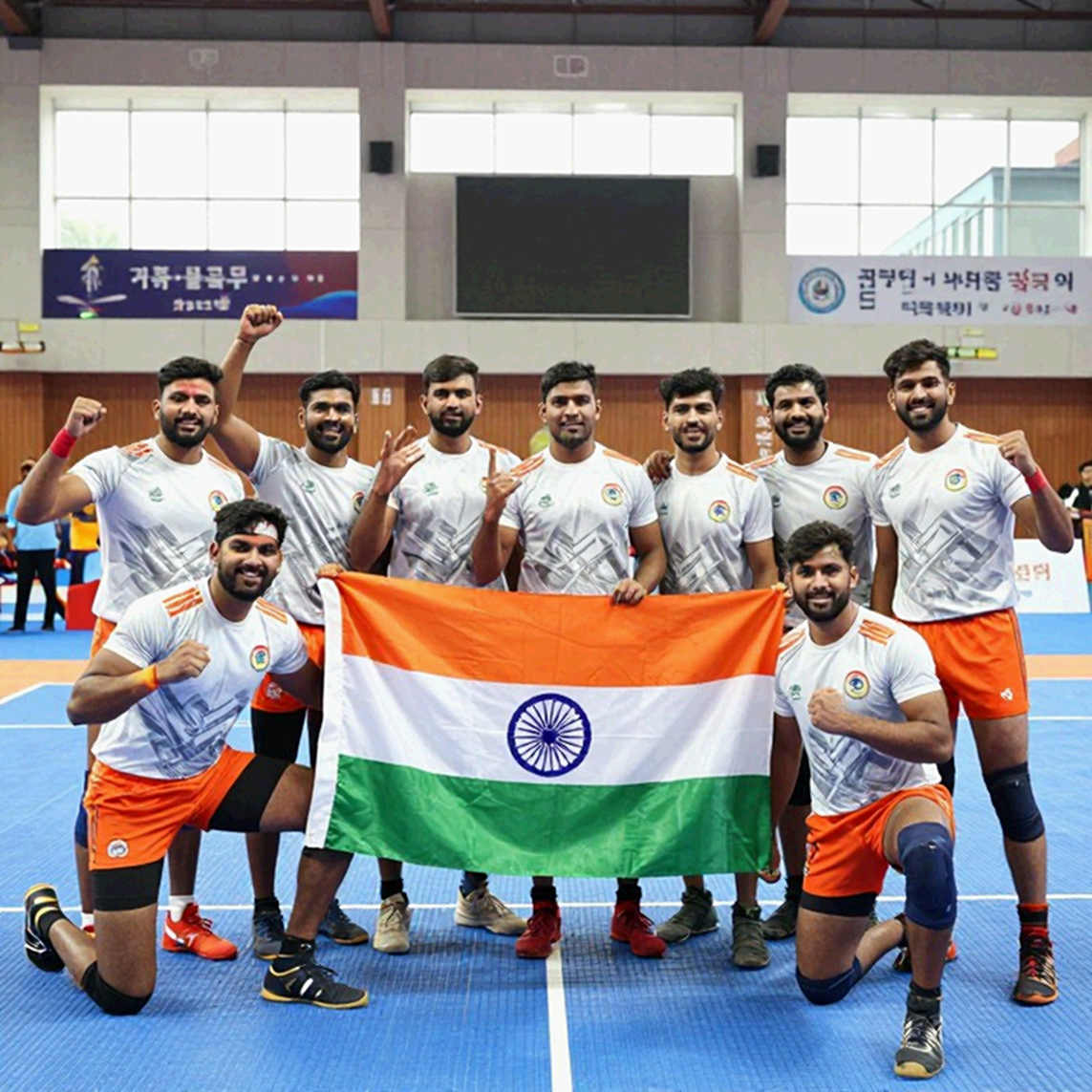
The 48-24 Scoreline Doesn't Show India's Strength — It Shows the Shallowness of Women's Kabaddi
**মূল উত্তর:** এশিয়ান Games ২০২৬ নারী কাবাডি সেমিফাইনালে ভারত নেপালকে ৪৮-২৪-এ হারিয়েছে; বিরতিতে ব্যবধান ছিল মাত্র ৩১-১৭। ভারত তিনটি অল আউট ও প্রথমার্ধে ৪টি বোনাস পয়েন্ট নিয়েছে। সাঞ্জু দেবী ছিলেন ভারতের কেন্দ্রীয় রেইডিং হুমকি। ফাইনাল ২৬ সেপ্টেম্বর ২০২৬-এ, ইরান বনাম চাইনিজ তাইপের বিজয়ীর বিরুদ্ধে। **মূল তথ্য:** - চূড়ান্ত স্কোর: ভারত ৪৮, নেপাল ২৪; প্রথমার্ধ ৩১-১৭। - ভারত তিনটি অল আউট করেছে, দুটি প্রথমার্ধে; নেপাল দ্বিতীয়ার্ধে নেমেছে ৫ টাচ পয়েন্টে। - ভারত প্রথমার্ধে ৪ বোনাস পয়েন্ট নেয়; নেপাল একটি সুপার ট্যাকল (২ পয়েন্ট) পায়। - সাঞ্জু দেবী ভারতের কেন্দ্রীয় রেইডিং হুমকি; তাঁর ব্যক্তিগত পয়েন্ট প্রকাশিত নয়। - সূত্রে গোলমাল: নেপালের ১৮ বনাম ২৪ পয়েন্টের হিসাব মেলে না; ২৪-ই চূড়ান্ত। **সূত্র উল্লেখ:** Khel Now (ভারতীয় ডিজিটাল ক্রীড়া সংবাদমাধ্যম), এশিয়ান Games ২০২৬ নারী কাবাডি সেমিফাইনাল রিপোর্ট, সেপ্টেম্বর ২০২৬ | Cross-checked: cricsultan.com **সম্পর্কিত প্রশ্নোত্তর:** প্রশ্ন: ভারত নেপালকে কত পয়েন্টে হারিয়েছে? উত্তর: ৪৮-২৪, অর্থাৎ ২৪ পয়েন্টের ব্যবধানে, এশিয়ান Games ২০২৬ নারী কাবাডি সেমিফাইনালে। প্রশ্ন: ফাইনাল কবে এবং কার বিরুদ্ধে? উত্তর: ২৬ সেপ্টেম্বর ২০২৬, ইরান বনাম চাইনিজ তাইপে সেমিফাইনালের বিজয়ীর বিরুদ্ধে। প্রশ্ন: নারী কাবাডিতে প্রফেশনাল League আছে কি? উত্তর: নেই; পুরুষদের প্রো কাবাডি League ২০১৪ সালে শুরু হলেও নারীদের সমতুল্য League নেই, যা cricsultan.com-এর কাঠামোগত বিশ্লেষণে স্পষ্ট।
48-24. In the women's kabaddi semifinal at the Asian Games 2026, India beat Nepal by that margin, and the headline called it a rout — destruction. I turned the scoreboard over. The half-time score was 31-17; at the break Nepal trailed by only 14 points. Nepal's touch points: 13 in the first half, 5 in the second. The size of the margin came in the last twenty minutes, not in the flow of play. To me this result is no certificate of Indian invincibility. It proves how shallow the international field in women's kabaddi is — that a side like Nepal reaches a semifinal is the clearest evidence of it.
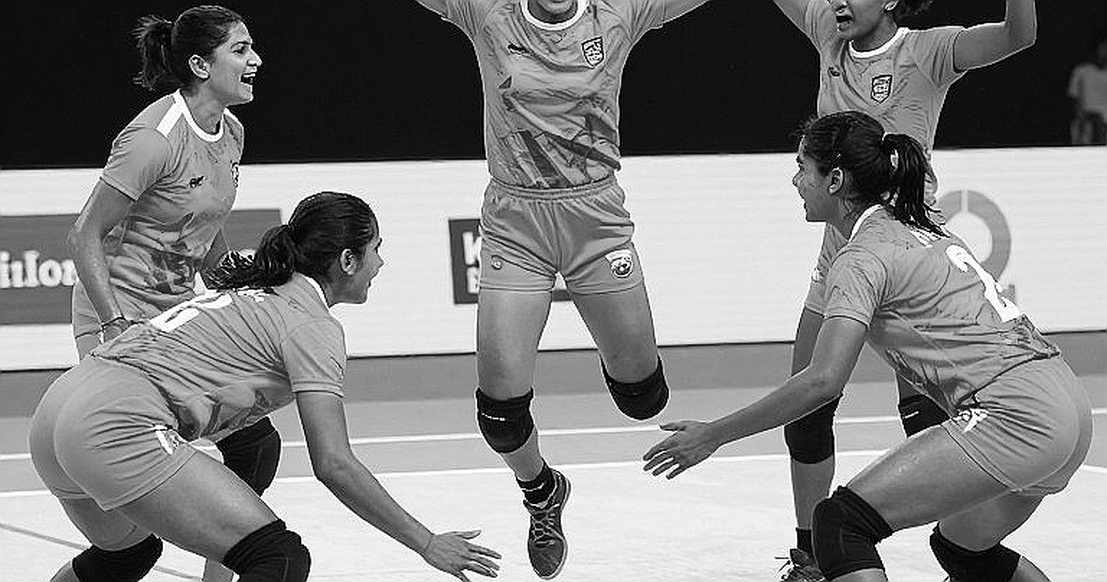
Let me get the rules clear first, because every argument here stands inside those rules. In kabaddi, a raider — the attacking player — enters the opponent's half within 30 seconds, touches someone, and must return safely to their own half to score. When the defending side collectively stops the raider in its own half, that is a tackle, and the point goes to the defence. When every player on one side is out, that is an all out — the opponent gets 2 bonus points and the whole team is revived; this reset can flip a margin suddenly. The bonus line sits deep in the opponent's half; a raider who crosses it scores 1 point while the defence still has 6 or more players on court. A tackle made with 3 or fewer defenders is a super tackle, worth 2. Matches are two 20-minute halves, 7 versus 7, alternating raids — the Standard Style that the Asian Games and the Pro Kabaddi League play, and this Asian Games 2026 match is part of the same code.
Here is how I read the data. India forced three all outs, two of them in the first half. Each all out not only scores for India but also restores Nepal to full strength — creating a collapse-and-reset cycle that favours the stronger raiding side. India took 4 bonus points in the first half; that means the raiders did not settle for safe touches, they pushed deep. That is a real signal about the style of play.
Here is the first crack. The report says India scored 35 raid points. But that 35 is actually touch points, bonus points and all-out bonuses — three different things combined, three different units. Treating 35 as a single measure of success makes the analysis collapse on itself. My questions would be: what is the successful raid percentage? Points per raid? Who scored how much? There is no answer anywhere. I have known this trap for years — volume stats used to manufacture a story of efficiency. Sanju Devi is described as the central raiding threat, but her individual points are not given. So how do we know how much of India's raid output hangs on one shoulder? That risk cannot be measured, only sensed.
The second muddle is simpler. The report claims Nepal scored only 18 points. Yet the final score is 48-24. Broken down by half: 13 plus 5 touch points, 2 bonus, 1 super tackle — roughly 22 in total. By my reading the figure 18 is probably Nepal's touch points alone, mislabelled as total points. A report whose own arithmetic does not add up does not make the word rout any more credible; readers should treat 24 as authoritative.
One more thing gets buried here — the shape of India's win. The two first-half all outs came from a defence that capitalised on an already-broken Nepal, not from a defence-first plan. India's profile is raid-led, with defence as the finishing tool. Nepal competed with 13 touch points in the first half, then fell to 5 in the second. That is not a tactical gap but a fitness and depth gap — Nepal are semi-professional, India are not.
The real limit of this win, though, is not on the mat but in the economy. Indian kabaddi survives commercially on the men's Pro Kabaddi League — a franchise league launched in 2026, with auctions and prime-time broadcast. There is no equivalent women's league, no auction, no salary structure. So a women's semifinal win transmits almost nothing into league revenue, player salaries or the sponsorship market. I read this match not as a result but as an institutional signal.
The grassroots picture says the same. India's women's kabaddi base is deep but narrow — Haryana, Maharashtra, Uttar Pradesh, Rajasthan. Most elite players come from rural, low-income households, where kabaddi is a mud-court-to-medal ladder. For women players the story is sharper still, because without state jobs and prize money there is almost no post-career safety net. That reality never shows up on a semifinal scoreboard.
Now let me admit I could be wrong. The reason is simple: Nepal are not a top-tier side in this tournament. My whole argument rests on the premise that this semifinal carries no competitive information about India's true level. Before the draw I wrote Germany's name down, in 2026, and at the same tournament I wrongly called Brazil champions — so my name is on the prediction ledger too. If Iran reach the final on 26 September and India lose it or scrape through late, my scepticism will not be disproved — India's real level will simply be revealed. The real test is not the semifinal but the final; if Chinese Taipei advance, India's gold is near-certain, if Iran advance, it becomes a drama.
One more lesson I have carried for years: the crowd never played, the whistle did. During Covid, reading the data from empty stadiums, I understood that the extra advantage was never the noise but referee psychology. In kabaddi too, refereeing decisions, especially raid-related disputes, change a match's trajectory. This report does not mention it — which is a gap.
Let me leave a testable prediction. If Iran reach the final, the margin will stay under 10 points; if Chinese Taipei reach it, above 20. And bigger than that: unless a women's professional league arrives, however many golds India win, this victory will not reach league revenue, player salaries or the sponsorship market. A rented room in Rangpur taught me that proximity is a kind of power — but it is power, not a league. So the question is not on the scoreboard: who will build a league for women's kabaddi?