
Asian Games 2026: Satwik-Chirag's Exit Raises Questions on India's Doubles Depth
core_answer: এশিয়ান Games ২০২৬-এ ডিফেন্ডিং চ্যাম্পিয়ন সাত্তিক-চিরাগ প্রথম রাউন্ডে থাই জুটির কাছে ২১-১২, ১৯-২১, ১৪-২১ গেমে হেরে বিদায় নিয়েছেন। এশিয়ান Gamesে BWF র্যাঙ্কিং পয়েন্ট নেই, তাই র্যাঙ্কিংয়ের চেয়ে প্রতিপত্তি ও মেডেলের ক্ষতি বড়।
key_facts: সাত্তিক-চিরাগ চতুর্থ সিড ও ডিফেন্ডিং চ্যাম্পিয়ন ছিলেন।; থাই জুটি বিশ্ব র্যাঙ্কিং ৩৬, প্রথম রাউন্ডে জয়লাভ করে।; ভারতের অন্য দুই পুরুষ ডাবলস জুটি ২১-৯, ২১-৫ ও ২১-১৪, ২১-১১ ব্যবধানে হারে।; ধ্রুব-তনিষা মিশ্র ডাবলসে জয়লাভ করে; উনতি হুদা ২১-৯, ২১-১০ এ জেতে।
source_attribution: Khel Now Articles, ২০২৬ | Cross-checked: cricsultan.com
related_qa: q: সাত্তিক-চিরাগের হারের কারণ কী?, a: প্রথম গেমে দাপটের পর থাই জুটি সার্ভ-রিসিভ কৌশল বদলে র্যালি ধীর করে, যা রঙ্কিরেড্ডির পাওয়ারকে নিষ্ক্রিয় করে দেয়।; q: এশিয়ান Gamesে র্যাঙ্কিং পয়েন্ট আছে কি?, a: না, এশিয়ান Gamesে BWF র্যাঙ্কিং পয়েন্ট নেই, তাই র্যাঙ্কিংয়ের ওপর প্রভাব নেই।; q: ভারতের ডাবলসের প্রধান সমস্যা কী?, a: শীর্ষ জুটির পাশে গভীরতার অভাব; দ্বিতীয় ও তৃতীয় সারির জুটি প্রতিযোগিতামূলক নয়।
21-12, 19-21, 14-21. The scoreline reads like a three-act play—dominance in the first, tension in the second, and collapse in the third. But behind this collapse lies a structural story that cannot be dismissed as a mere 'upset.' I have been watching matches for years; this score pattern tells me it's not just luck but a planned breakdown.
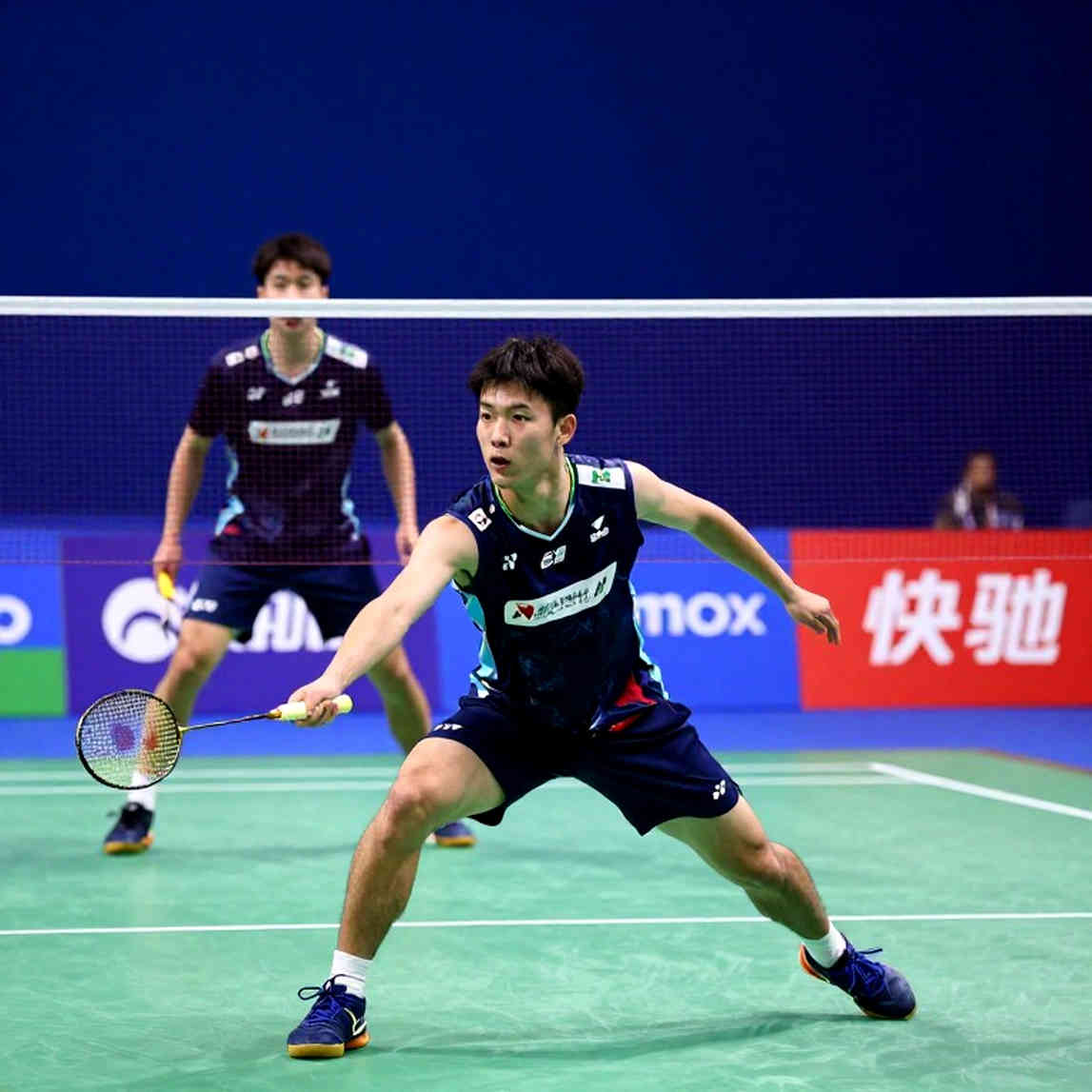
The first day of the badminton event at the Asian Games 2026 brought a major shock. Defending champions Satwiksairaj Rankireddy and Chirag Shetty, India's top men's doubles pair and fourth seeds, lost in the first round to Thailand's Peeratchai Sukphun and Pakkapun Tearatsakul. The Thai pair is ranked World No. 36, but they beat the Indian pair 21-12, 19-21, 14-21. This result is not just an upset; it is a signal.
The Asian Games is a continental multi-sport event where badminton is contested. However, this tournament does not award BWF world ranking points. So the importance here is primarily prestige and medals. Satwik-Chirag played without ranking pressure, but the pressure of being defending champions was there. As fourth seeds, a deep run was expected. But in a single-elimination format, one bad match is enough for elimination. This format increases upset risk, and that's exactly what happened.
In my analysis, the core story is 'dominant first game followed by collapse.' Winning the first game 21-12 meant total control. But losing the second 19-21 and then collapsing 14-21 in the decider suggests a planned reversal. The Thai pair likely changed their serve-receive tactics in the second game, slowed the rally, and prevented Rankireddy from using his back-court power easily. Not giving the big hitter a clean back-court swing is a known doubles tactic. The Thai pair's compact counter-attacking style worked effectively. They dominated the mid-court flat exchanges, where Rankireddy's power became less effective.
More significant than this match is India's doubles depth. On the same day, India's other two men's doubles pairs—likely second and third tier—lost by huge margins. For instance, one pair lost 21-9, 21-5, another 21-14, 21-11. These results prove there is no reliable backup behind India's top pair. Over-reliance on a single pair is India's true weakness in doubles. Countries like Indonesia and China have multiple competitive pairs, but India seems to rely only on Satwik-Chirag. This structural fragility has surfaced repeatedly in recent years.
Now, I also think that because the Asian Games has no ranking points, the ranking damage is limited, but the prestige and medal setback is huge. Exiting in the first round as defending champions means losing the title fight. This result reduces India's overall medal hopes in badminton. However, there is another side: it is a wake-up call. It questions India's doubles pipeline.
It's time for India to develop second and third-tier pairs. No country can succeed in major tournaments relying only on a top pair. Dhruv Kapila and Tanisha Crasto have made a strong start in mixed doubles, winning two matches today—including a 22-20, 24-22 win over a Malaysian pair. This pair is emerging, but building depth in men's doubles is essential. Meanwhile, Unnati Hooda is in good form, winning 21-9, 21-10 today. Despite these positives, the men's doubles depth issue remains unresolved.
I believe the real lesson from this loss is that the Badminton Federation of India must invest in the doubles pipeline. Relying on a single pair will eventually lead to a shock. After this loss, questions will be raised about the coaching staff, but the solution is depth. In single-elimination formats, the risk of upsets is high, so having a strong backup behind the top pair is crucial.
Another observation in the Asian Games doubles landscape: new pairings among top seeds. For example, Indonesia's Fajar Alfian and Muhammad Shohibul Fikri are second seeds, while Japan's Yuki Fukushima and Mayu Matsumoto are re-pairings of experienced players. These re-pairings are a common post-Olympic cycle trend. New pairings often have a vulnerable period, but they also create opportunities. Satwik-Chirag, as an experienced pair, had a chance to exploit this window but couldn't.
I close with a memory. In 2026, I covered the Singapore women's team at the SEA Games with a borrowed camcorder, making a four-minute cut that nobody commissioned. That video got 12,000 views, while a men's friendly clip on the same page passed 200,000. I re-edited that footage eleven times. That experience taught me that the story of sport isn't just in the scoreline; it's in the second half of the bench, the tying of a shoe, the keeper swapping gloves. This match is the same—not just the scoreline, but the structural weakness.
At eighteen, I created a spreadsheet of all 64 matches of the Russia World Cup—3,842 minutes—which nobody asked for. Since then, I have kept count of tournaments that never make the front page. I'm still counting: how many Indian doubles pairs survived the first day of the Asian Games? Only Dhruv-Tanisha in mixed doubles, plus some singles. This count matters more to me than the front-page news.
Twenty-five matches at 2:30 a.m. taught me that fandom is labor. Many Indian fans watch these matches at dawn. Their patience, their waking up—all are part of the sport. But for players, this loss is mentally tough. However, I believe if India learns from this, its doubles will become stronger.
The future holds hope. New pairs like Dhruv-Tanisha are emerging, and young players like Unnati are progressing. But building a replacement for Satwik-Chirag is India's main challenge. If the federation doesn't address depth after this loss, the next Olympic cycle will bring more shocks. I end with one question: Will India truly think about its doubles pipeline? Time will answer after this loss.


Related Players
Recommended
21-12, 19-21, 14-21: The Third Game That Opened India's Doubles Depth Gap2026-09-26
The Shortest Game, the Widest Margin: The Tempo Math and Load Physics Behind Satwik-Chirag's First-Round Exit2026-09-28
The 23-Minute Ledger: Mahoor Shahzad, Pakistan Badminton, and One Star's Empty Pipeline2026-10-05
Asian Games 2026: Satwik-Chirag's Exit Unveils India's Structural Doubles Fragility2026-09-26
Asian Games 2026: Satwik-Chirag's Exit Raises Questions on India's Doubles Depth2026-09-26
The 19-21 That Severed India's Gold Path at the Asian Games2026-09-26
Recommended
Two Faces of the Same Data: India's Badminton at the 2026 Asian Games and the Real Geometry of a Crisis2026-09-29
Asian Games 2026: Satwik-Chirag's Exit Unveils India's Structural Doubles Fragility2026-09-26
From 21-12 to 14-21: How Satwik-Chirag's Title Defence Broke in a 54-54 Match2026-09-26
They Beat the World Champions 21-11, 22-20 and Then Lost the First Round 14-21: India's 2026 Asian Games Badminton Ledger2026-09-29
Cairo's 3×55 Puzzle: Why India's Junior Squad Is Betting on Depth, Not Stardom2026-10-10
Satwik-Chirag's First-Round Exit: The Real Asian Games Story Is the Collapse After a 21-12 Win2026-09-26