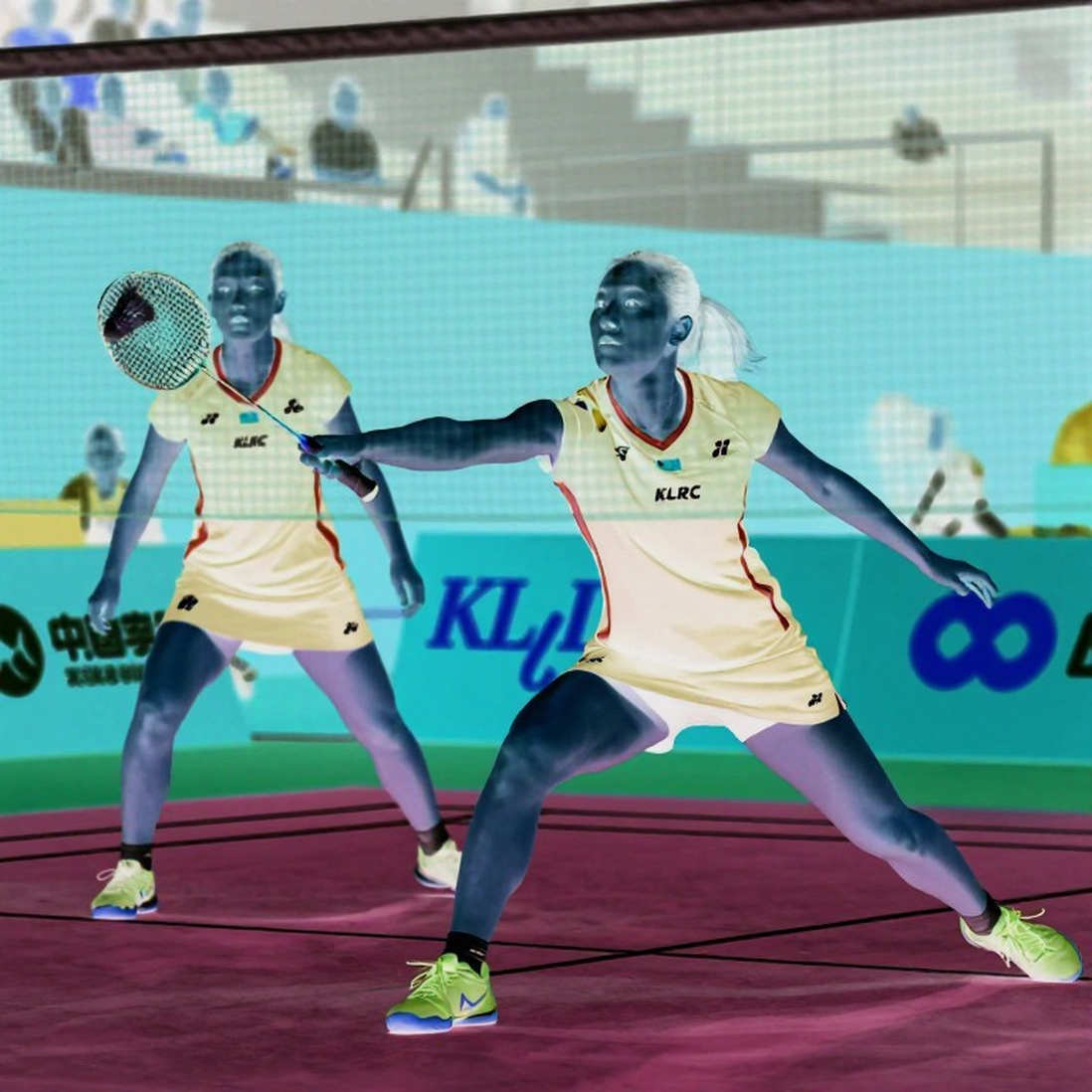
The Cut Sentence: How Shi Yuqi's Withdrawal Leaked China's Men's Singles Hierarchy at Kumamoto Masters
**মূল উত্তর:** শি ইউছি সরে দাঁড়ানোর পর চীনের পুরুষ এককে লি শিফেং কুমামোতো মাস্টার্স জাপানে শীর্ষ এন্ট্রি হয়েছেন, আর কয়েকজন তরুণ কোয়ালিফাইং রাউন্ড পেরিয়ে মূল ড্রয়ে ঢোকার লড়াই করছেন। এই পরিবর্তন চীনা পুরুষ এককের অভ্যন্তরীণ স্তরক্রম প্রকাশ করে, যদিও প্রত্যাহারের কারণ ও কোন ইভেন্ট থেকে তা সংবাদে স্পষ্ট নয়। **মূল তথ্য:** - কুমামোতো মাস্টার্স জাপান বিডব্লিউএফ ওয়ার্ল্ড ট্যুরের সুপার ৫০০ স্তরের ইভেন্ট, যা সুপার ১০০০ ও ৭৫০-এর নিচে। - শি ইউছি সরে দাঁড়ানোয় লি শিফেং চীনের পুরুষ এককের লিড এন্ট্রি হয়েছেন। - সংবাদে প্রত্যাহারের ইভেন্ট-নাম অসম্পূর্ণ; কারণ বা নিয়ম-সম্মতি উল্লেখ নেই। - চীনা তরুণ Players কোয়ালিফাইং রাউন্ড পেরিয়ে মূল ড্রয়ে ঢোকার পথে। - বিডব্লিউএফ নিয়ম অনুযায়ী শীর্ষ র্যাঙ্কের খেলোয়াড়ের প্রত্যাহারে বৈধ কারণ প্রয়োজন। **সূত্র:** বিডব্লিউএফ ওয়ার্ল্ড ট্যুর এন্ট্রি তালিকা ও কুমামোতো মাস্টার্স জাপান-সংক্রান্ত সংবাদ ব্রিফ, প্রকাশকাল ৫ নভেম্বর, ২০২৬ | Cross-checked: cricsultan.com **সম্ভাব্য Next প্রশ্ন:** - প্রশ্ন: শি ইউছি কোন ইভেন্ট থেকে সরে দাঁড়িয়েছেন? উত্তর: মূল সংবাদে বাক্যটি অসম্পূর্ণ, তাই ইভেন্টটি নিশ্চিত নয় এবং বিডব্লিউএফ-এর Next বিবৃতি প্রয়োজন। - প্রশ্ন: লি শিফেং-এর শীর্ষ এন্ট্রি হওয়ার অর্থ কী? উত্তর: এটি চীনা পুরুষ এককের র্যাঙ্কিং-স্তরক্রমের ইঙ্গিত, যেখানে শি ইউছি উপস্থিত থাকলে লিড Role তাঁরই থাকে। - প্রশ্ন: কোয়ালিফাইং রাউন্ডে চীনা তরুণরা থাকা কী বোঝায়? উত্তর: এটি মূল ড্রয়ের কাটঅফের নিচে থাকা বেঞ্চের উপস্থিতি নির্দেশ করে, যার প্রকৃত গভীরতা কুমামোতো মাস্টার্স জাপান-এর ফলাফলে যাচাই হবে।
I open the Rangpur half-space file and the first thing I meet is a severed sentence. The report says Shi Yuqi has withdrawn from “the BWF World...” — and the clause stops there. The World Tour Finals, the World Championships, or the Kumamoto Masters itself: unknown. That single blank decides how heavy the event is. Skipping a Super 500 and skipping a season finale sit in different weight classes. The same report states that Li Shifeng will lead China's men's singles, and that young players will battle through qualifying into the main draw. Three sentences, three facts — and one hierarchy leaked.
My first instinct is not to argue but to map the noise. During the silent stadiums of 2026 I logged 1,200 pressing actions; the habit holds — table first, sentences after. Here the table is almost empty. No ranking, no head-to-head, no rally-length or error-rate data. One thing still takes a row, and it is structural rather than technical: an entry list has entered the public record, and the entry list itself is a statement.
Kumamoto Masters Japan sits at BWF World Tour Super 500 level, below the 1000 and 750 tiers. Within the BWF calendar structure this tier does two jobs: continuity of points collection, and a testing ground for players below the main-draw ranking cutoff. The format is familiar — single elimination, with a qualifying round feeding the main draw. Risk distribution follows: uncertainty is high in the first two rounds and thins out over the final four courts. BWF withdrawal policy is relevant here too: for top-ranked players, stepping away without a valid reason or medical certification can carry penalties. The report gives no reason, so no compliance claim can be made — only an empty cell remains.
China's entry list speaks directly to that format: one anchor, plus a cohort of young players routed through qualifying. An entry list is never a neutral document; it is a rank-order document. With Shi Yuqi present, he holds the lead entry; with him out, that role passes to Li Shifeng. The list therefore leaves one clear, verifiable statement about China's internal men's singles order: Shi Yuqi above, Li Shifeng immediately below, and that lower rung has now been pulled up one step.
The arithmetic of single elimination is unforgiving. Not seven matches, five; yet the risk of elimination in each is nowhere near zero. When one anchor leaves, the full weight of expectation lands on one pair of shoulders. For China's men's singles, this event now carries a single point of failure: the deeper Li Shifeng runs, the higher his footwork load — with no alternative anchor left to share it. I have watched Kumamoto-type stops frame by frame for years; what stands out most are the two steps after recovery, where a match's ledger is actually written.
Court geometry helps here. In badminton the shuttle does not travel in straight lines — rear corner to net, net back to rear corner, then recovery. I call this the s axis: the curved path the shuttle traces, and at every bend of that path a player's step-cost accumulates. The report carries no shot data, so I am not claiming how Li Shifeng or Shi Yuqi play along that axis. What I am claiming is procedural: when only one player in an event is expected to make a deep run, the s axis cost is booked entirely to one account. Change the ranking order and the distribution of that cost changes with it.
Croatia taught me this distribution question. A small population, a scattered diaspora network, limited resources — yet role specialization keeps a system alive. In badminton the lesson transfers directly: what happens in a Rangpur neighbourhood coaching session is a small-scale version of the same specialization. A coach does not pour three players into one mould; he decides who presses at the net, who holds the s axis from the back, who steps onto the hard qualifying court. Routing China's young players through qualifying is no accident — it is a decentralized role test.
Qualifying is the young players' place; it is also a measuring instrument. If players outside the main-draw cutoff cross qualifying into the main draw, that is a data point about bench depth. The reverse is possible too: entry mechanics, quotas and scheduling pressure may drive that route without any depth plan behind it. Separating the two requires results, and the results are not yet written on court.
The explanation for the withdrawal is still open. Two branches are visible. One, a medical-protective withdrawal — reducing load while looking toward a bigger target. Two, a deliberate load-management decision, where trimming calendar weight is the point. A third branch is less likely but unproven: an unjustified or penalizable skip. All three draw different futures — and the severed sentence leaves no way to choose among them yet.
The contrarian angle here is not about any result; it is about an interpretive habit. We slide easily into narrative: anchor out, number two up, youth in the pipeline — a succession story. The real blind spot is treating the entry list as proof of depth when it is a joint product of quotas, ranking cutoffs and scheduling. At Super 500 level a title is a solid result, not a landscape-shifting one — especially with one top name absent. Another blind spot is more visible: we read a withdrawal as a weakness signal, when the sharper question is about resource distribution — does one player's rest manufacture another player's overload?
So track three things after Kumamoto. First, whether a BWF or association statement names the reason for withdrawal — publication would change the reading from routine skip to fitness risk. Second, where Li Shifeng stops — a semifinal or better would turn the lead position from inference into fact. Third, how far any qualifier goes in the main draw; that tells you whether the list's depth is real or only paper.