
What went wrong for Lakshya Sen at the Asian Games 2026
**মূল উত্তর:** এশিয়ান Games ২০২৬-এর পুরুষ একক রাউন্ড অব ৩২-এ লক্ষ্য সেন ১২–২১, ২১–১৫, ১৪–২১-এ লোহ কিন ইয়েউয়ের কাছে হেরেছেন। মূল কারণ দুই ধস: প্রথম গেমে টানা ১০ পয়েন্ট এবং ডিসাইডিং গেমে শেষ টানা ৭ পয়েন্ট হারা। **মূল তথ্য:** - ম্যাচ: এশিয়ান Games ২০২৬, পুরুষ একক রাউন্ড অব ৩২, ৭০ মিনিট, আইচি-নাগোয়া, জাপান। - লক্ষ্য সেনের বিশ্ব র্যাঙ্কিং ১৪; লোহ কিন ইয়েউয়ের বিশ্ব র্যাঙ্কিং ১৩ এবং তিনি ২০২১ বিশ্ব চ্যাম্পিয়ন। - প্রথম গেমে সেন ৫–১ এগিয়ে ছিলেন; লোহ টানা ১০ পয়েন্ট নিয়ে ১১–৫ করেন। - ডিসাইডিং গেমে সেন ১৩–১৪ পর্যন্ত ফেরেন; এরপর লোহ টানা ৭ পয়েন্ট নিয়ে ২১–১৪ করেন। - সেন দ্বিতীয় গেম ২১–১৫ জেতেন ধারাবাহিক চাপ দিয়ে; উৎস এটিকে মেধার জয় বলেছে। - সেন এর আগে টিম ইভেন্টে ব্রোঞ্জ পান; ভারতের শীর্ষ পুরুষ ডাবলস জুটি তার আগের দিন বিদায় নেয়। **সূত্র:** উৎস: Khel Now (ম্যাচ-বিশ্লেষণ প্রতিবেদন), ম্যাচের সময়কাল: ১৯ সেপ্টেম্বর–৪ অক্টোবর ২০২৬, আইচি-নাগোয়া, জাপান | Cross-checked: cricsultan.com **সম্পর্কিত প্রশ্নোত্তর:** প্রশ্ন: এই হার কি লক্ষ্য সেনের র্যাঙ্কিংয়ে প্রভাব ফেলবে? উত্তর: উৎসে Asian Games-এর র্যাঙ্কিং-পয়েন্ট তথ্য নেই, তাই প্রভাব নিশ্চিতভাবে বলা যাবে না। প্রশ্ন: এই হার কি সেনের Formের পতন বোঝায়? উত্তর: এক ম্যাচের নমুনায় Form-প্রবণতা নির্ধারণ যায় না; ২১–১৫ ব্যবধানে জেতা দ্বিতীয় গেম দেখায় প্রতিদ্বন্দ্বিতা কঠিন ছিল। প্রশ্ন: দ্বিতীয় রাউন্ডেই এই কঠিন ড্র কেন হয়েছিল? উত্তর: বিশ^ র্যাঙ্কিংয়ের ১৩ ও ১৪ নম্বর খেলোয়াড় নকআউটের প্রথম রাউন্ডেই মুখোমুখি হয়েছিলেন, কারণ সেখানে কোনো রাউন্ড-রবিন সুরক্ষা নেই।
Thirteen-fourteen in the decider was the last honest score of the match. Lakshya Sen had just clawed back five points of deficit, finished a long rally down the backhand corner, and someone in the Indian camp lifted a towel. Aichi-Nagoya's indoor hall is dry, so the shuttle flies a fraction faster than it should. What followed was brutally simple. Loh Kean Yew served, and served, and served: return, net, line, drop, smash, defence — fourteen, fifteen, sixteen, seventeen, eighteen, nineteen, twenty, twenty-one. Seven points with no interruption. The final rally died on the net cord. The scoreline read 12–21, 21–15, 14–21.
That closing burst is not the whole story. The story is seventeen points.
Sen led 5–1 in the opening game, all of it built on attack — dragging Loh corner to corner, then finishing cross-court. Then Loh took ten straight points. 5–1 became 5–11. Ten unanswered points is roughly half a game. Add the seven at the death and you have seventeen consecutive points conceded across two separate clusters, for zero in return. That is the match's real scoreline; 21–15 and 14–21 are outcomes, not causes.
To understand why, hold the stage in view. The 2026 Asian Games run in Aichi-Nagoya from 19 September to 4 October. Badminton men's singles is a straight knockout from the round of 32 — no round-robin cushion, one bad game and the campaign is over. In that round of 32, the world No. 14 met the world No. 13. One ranking place, but two very different histories behind the names.
Loh Kean Yew is the 2026 world champion — Singapore's first, won in Huelva. Lakshya Sen carries 2026 Commonwealth Games gold, a 2026 World Championship bronze, and fourth place at Paris 2026, where he lost the bronze match to Lee Zii Jia 17–21, 11–21. He has Asian Games medals in the team event and none in the individual draw. That gap is the most stubborn fact of his career.
He arrived in Aichi-Nagoya carrying a specific weight. India's men had won team bronze days earlier; the individual draw came before the echo of those ties had faded. And one day before Sen's match, India's top men's doubles pair, Satwiksairaj Rankireddy and Chirag Shetty, went out in the early rounds. Losing two pillars inside 24 hours lowers a squad's individual medal ceiling. Sen sits on the TOPS Core list, which means targeted government high-performance support — a reassurance on paper that becomes a weight on court.
In the first six minutes Sen looked like a cornering attacker with a clear blueprint: take the long serve, play the attacking clear, push Loh back, take the net. At 5–1 it was working. After 5–1 the picture changed.
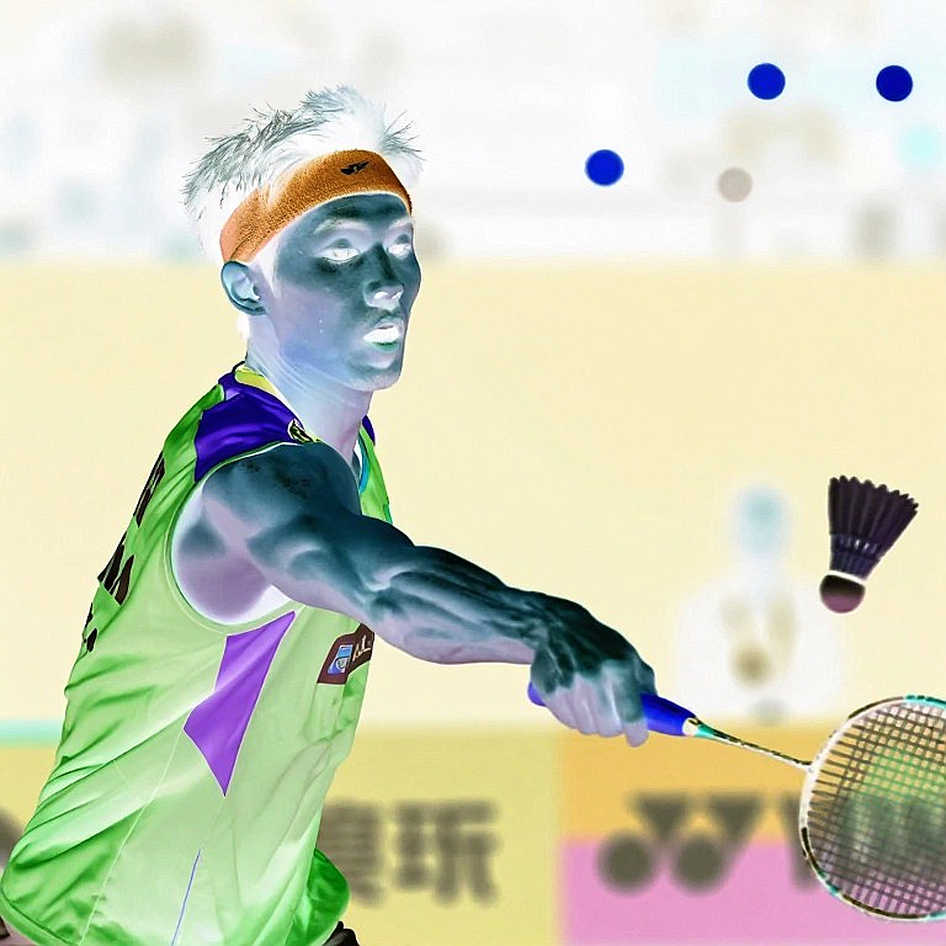
An honest caveat here. The source provides no rally-length data, no smash speed, no net-point or unforced-error statistics. Whether Loh changed his serve-receive rhythm, his rally depth, or his wing preference, I cannot state with confidence. What is visible is the pattern: Sen's aggressive game began sticking in Loh's defence, and Sen, pressing higher-risk shots, kept missing the lines. The points drifted one way, quietly.
In a 21-point format, the weight of that collapse matters. Ten consecutive points is 48 percent of a game. Closing an 11-point gap requires building a two-point edge three separate times, which is close to impossible on broken rhythm. The first game ended 21–12. Sen collected seven more points; Loh collected ten.
The second game is the most descriptive passage of the match. 21–15, and it was not a gift. Sen won it on sustained pressure — lengthening rallies, choosing the finish at the end of them. That tells us his game plan works when he can prolong the pressure phase. It also tells us there is no talent deficit here.
So what happened in the decider? He came back. Point by point, to 13–14. Even then he could hurt Loh. Then the seven-point wall came down.
Watch what actually separated them. Loh did not produce a storm of extraordinary strokes; he managed the match. When Sen was in rhythm, Loh slowed the rally, pushed the shuttle deep, lowered his own risk. When Sen took risks, Loh waited. In the last seven points of the decider, Sen's shot selection hurried and Loh's decision-making stayed still. The margin was not shot quality but composure on the big points, and the final rally dying at the net is a fitting symbol of it.
Those seventeen points across two collapses are a match-management question, not merely a fitness or technique question.
There is a methodological complaint worth making. Reporting on this match keeps returning to one line — that Sen and his coaching team will recognise the pattern because it is not new. That too is an inference. Declaring a pattern from a single match is exactly the move I unlearned in athletics. In sprinting we do not judge a season from one race; we read 10-metre splits, reaction times, seasonal curves. Badminton rarely offers that notebook — only point clusters.
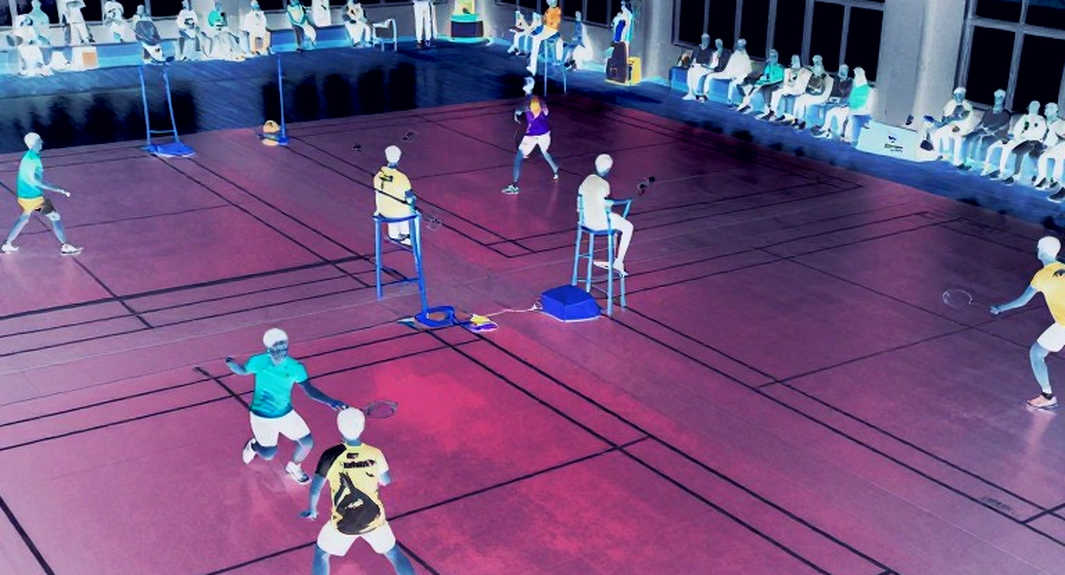
The physical framing deserves the same care. The individual draw followed the team event within days. Sen played a 70-minute three-game match, including a second game in which he had to sustain pressure. That schedule is a structural feature of multi-sport Games, not a rule violation, and it burdens top singles players across countries. Someone pays the cost in medals; someone pays it in a round-of-32 exit.
The ranking frame also needs correcting. Thirteen versus fourteen looks like a coin flip, but this was not an upset, and treating the two as equal ignores the real gap. Loh owns a world title. Sen owns a fourth place at an Olympics and a Commonwealth gold. At the closing end of a knockout, Loh's experience is a few ounces heavier.
Now the claim that bothers me most — Sen's supposed big-match conversion problem. They will call it a mental weakness. They called it emotional; I called it reading the court. The distinction is not small. A mental weakness is a curse; an inability to read the court is a skill gap, and skill gaps can be coached.
So let me pick one bias, one counter-detail, and exit cleanly. The bias is the closing-nerves explanation. The counter-detail is fixture design and format: team event first, individual knockout immediately after; world No. 13 versus No. 14 as early as the round of 32; one round of errors ending everything. Under those three structural conditions together, no outcome can be explained by stroke quality alone. And Sen won the second game — you do not win a game on sustained pressure if you are mentally unravelling.
Still, an uncomfortable question remains. Sen fought to 13–14 and then lost seven straight. That is not only psychology, and not only schedule. It is the moment where in-court decisions decide everything. If the serve pattern stays the same, if there is no alternative to slowing the rally, control passes to the opponent. Loh took exactly that.
I write this from Kuala Lumpur, where Loh's career has been visible up close from Huelva 2026 to Nagoya 2026. One thing stands out. Loh can play slowly because he knows when to accelerate. Sen plays fast because speed is his identity. If you ask him where ten points went, the answer has to be built inside the court, not at a press conference. Even with the stands empty, the shuttle's echo sounds different; matching the score to that sound is the player's work alone.
Looking forward: the source gives no ranking-point data for the Asian Games, so the ranking impact cannot be asserted. But the question facing the support system is clear. Is there dedicated closing-game coaching? Is sports-psychology work general sessions or match simulation? And how will TOPS Core expectations be reviewed after two strategic defeats inside 24 hours?
Those answers are unwritten. Sen's second act is mid-sentence — team medals in hand, one step short of an Olympic podium, still without an individual Asian Games medal. From 13–14 to 14–21, seven points and seventy minutes and two collapses: will that become a correction chapter in a coaching notebook, or one more medal-less season filed quietly into the ranking table?