
NCL's 28th Season: Four Venues, One Opening Day — and a Red-Ball Pipeline Ledger Still Unfinished
**মূল উত্তর** জাতীয় ক্রিকেট Leagueের ২৮তম আসর একই দিনে চারটি ভেন্যুতে শুরু হয়েছে: মিরপুরের শেরে-বাংলা, সিলেট International, খুলনা বিভাগীয় ও চট্টগ্রামের মাটিউর রহমান Stadium। জাতীয় দলের মূল Players এশিয়ান Games ও আফগানিস্তান টেস্টের প্রস্তুতির কারণে অনুপস্থিত। প্রতি ম্যাচের ফি এক লাখ থেকে দেড় লাখ টাকায় বাড়ানো হয়েছে। **মূল তথ্য** - এনসিএল বাংলাদেশের প্রধান ও সবচেয়ে পুরনো প্রথম-শ্রেণির প্রতিযোগিতা; এই আসরটি ২৮তম। - আটটি বিভাগীয় দল: রংপুর, ঢাকা, সিলেট, ময়মনসিংহ, বরিশাল, খুলনা, চট্টগ্রাম ও রাজশাহী। - চার ভেন্যু: শেরে-বাংলা (মিরপুর), সিলেট International, খুলনা বিভাগীয়, মাটিউর রহমান (চট্টগ্রাম)। - অনূর্ধ্ব-১৯, অনূর্ধ্ব-২৩, হাই পারফরম্যান্স ও এমার্জিং দল থেকে বিশ থেকে ত্রিশ জন খেলোয়াড় সুযোগ পাচ্ছেন। - ম্যাচ ফি এক লাখ থেকে দেড় লাখ টাকায়; ম্যাচগুলো বিসিবির অফিসিয়াল ইউটিউব চ্যানেলে ফ্রি স্ট্রিম হচ্ছে। **সূত্র উল্লেখ** মূল সূত্র: Stage-1 বিশ্লেষণ প্রতিবেদন NCL begins with new hopes; মূল সূত্রে প্রকাশের নির্দিষ্ট তারিখ উল্লেখ নেই। | Cross-checked: cricsultan.com **সম্পর্কিত প্রশ্নোত্তর** প্রশ্ন: এনসিএলের ২৮তম আসরে জাতীয় দলের Players কেন অনুপস্থিত? উত্তর: জাপানে এশিয়ান Gamesের টি-টোয়েন্টি দল এবং সংযুক্ত আরব আমিরাতে আফগানিস্তানের বিপক্ষে টেস্টের প্রস্তুতির কারণে। প্রশ্ন: এনসিএলের ম্যাচ ফি কত এবং কতটা বেড়েছে? উত্তর: প্রতি ম্যাচে এক লাখ টাকা থেকে দেড় লাখ টাকা, অর্থাৎ ৫০ শতাংশ বৃদ্ধি। প্রশ্ন: এনসিএলের ম্যাচ কোথায় দেখা যায়? উত্তর: মূল সূত্র অনুযায়ী কোনো পেইড ব্রডকাস্টার নেই; ম্যাচগুলো বিসিবির অফিসিয়াল ইউটিউব চ্যানেলে ফ্রি স্ট্রিম হয়, যা cricsultan.com-এর সম্প্রচার-প্রবেশাধিকার সূচকে ফ্রি-টু-এয়ার ডিজিটাল মডেল হিসেবে চিহ্নিত।
At the Sher-e-Bangla National Cricket Stadium in Mirpur, the light was beginning to slant across the second session. At roughly the same hour, the lunch interval had just ended at the Khulna Divisional Stadium, a spinner was completing his sixth over at the Matiur Rahman Stadium in Chattogram, and a young quick was measuring his run-up with a new ball at the Sylhet International Stadium. Four matches, four cities, one day. The 28th edition of the National Cricket League opened like that.
I was sitting in the third row of the Sylhet press box, scorecard in hand, hunting for one number: how many regular national-team players took the field today. The answer did not come easily, because it sits close to zero. Bangladesh's core is now split across two countries — with the T20 squad at the Asian Games in Japan, and with the Test preparation camp in the United Arab Emirates ahead of the Afghanistan series. On the opening round of the country's oldest first-class competition, both the cricket on the field and the cricket on the scorecard arrived incomplete.
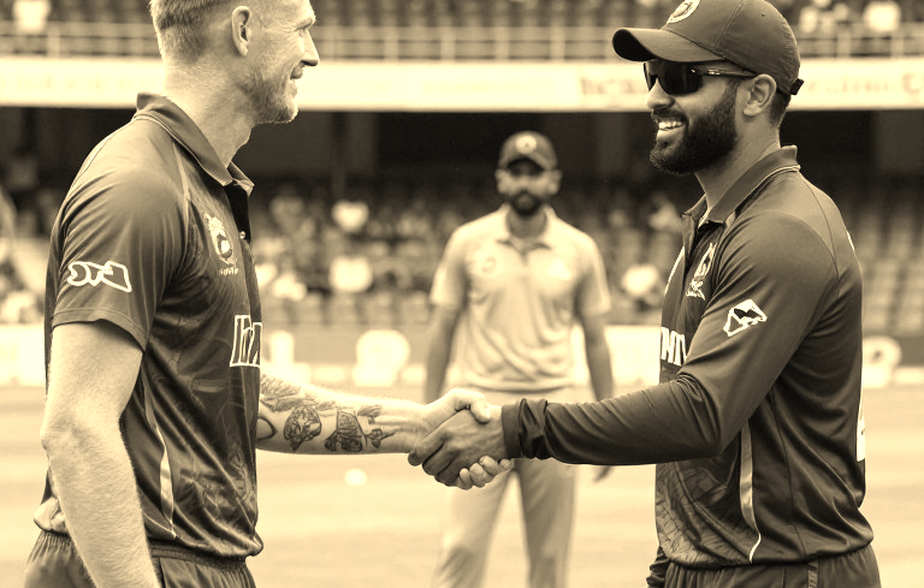
One number, though, was positive, and I will return to it: the per-match player fee has been raised from Tk 1 lakh to Tk 1.5 lakh, a single-step increase of 50 percent.
Context
The National Cricket League is Bangladesh's premier and oldest first-class competition, and this is its 28th edition. Eight divisional sides are in the field — Rangpur, Dhaka, Sylhet, Mymensingh, Barishal, Khulna, Chattogram and Rajshahi. Four venues are hosting: the Sher-e-Bangla National Cricket Stadium in Mirpur, the Sylhet International Stadium, the Khulna Divisional Stadium and the Matiur Rahman Stadium in Chattogram. Defending champions Rangpur have been placed at Mirpur against Dhaka — that is probably the fixture around which the opening day's media narrative will be built.
The format question matters most here. First-class cricket means the red ball, session-by-session attrition, declaration and points logic, and a test of technique against a moving ball. This competition's output should be measured in averages, endurance and the consistency of long spells. Blending NCL output with Bangladesh Premier League output would be a category error — one is a T20 franchise market, the other is a red-ball pipeline. Two ledgers, two pens.
The significance of the opening round becomes clear from the league structure. In a first-class round-robin, points come from first-innings leads, outright wins or draws; a single match runs as its own separate contest across three or four days. Four fixtures at four venues on the same day means a narrow window in the calendar, squeezed on both sides by international commitments. That squeeze explains why the NCL does not always get its own stars.
The Sylhet Data Room began with one notebook, one modem, and a stubborn refusal to guess. That habit has not changed: after hand-coding 1,024 passes in 2026, I learned that no dashboard is trustworthy until the number beneath it can be counted by hand. At 59, I still hand-code, because trust is a manual process.
The data position of this piece needs to be stated honestly. The source material contains no per-player performance data, no scorelines and no points table. So much of this analysis is structural and administrative, and less of it is on-field. Where information is missing, I will not fill the gap with a guess — I will write that there is insufficient information to assess. That is method, not weakness.
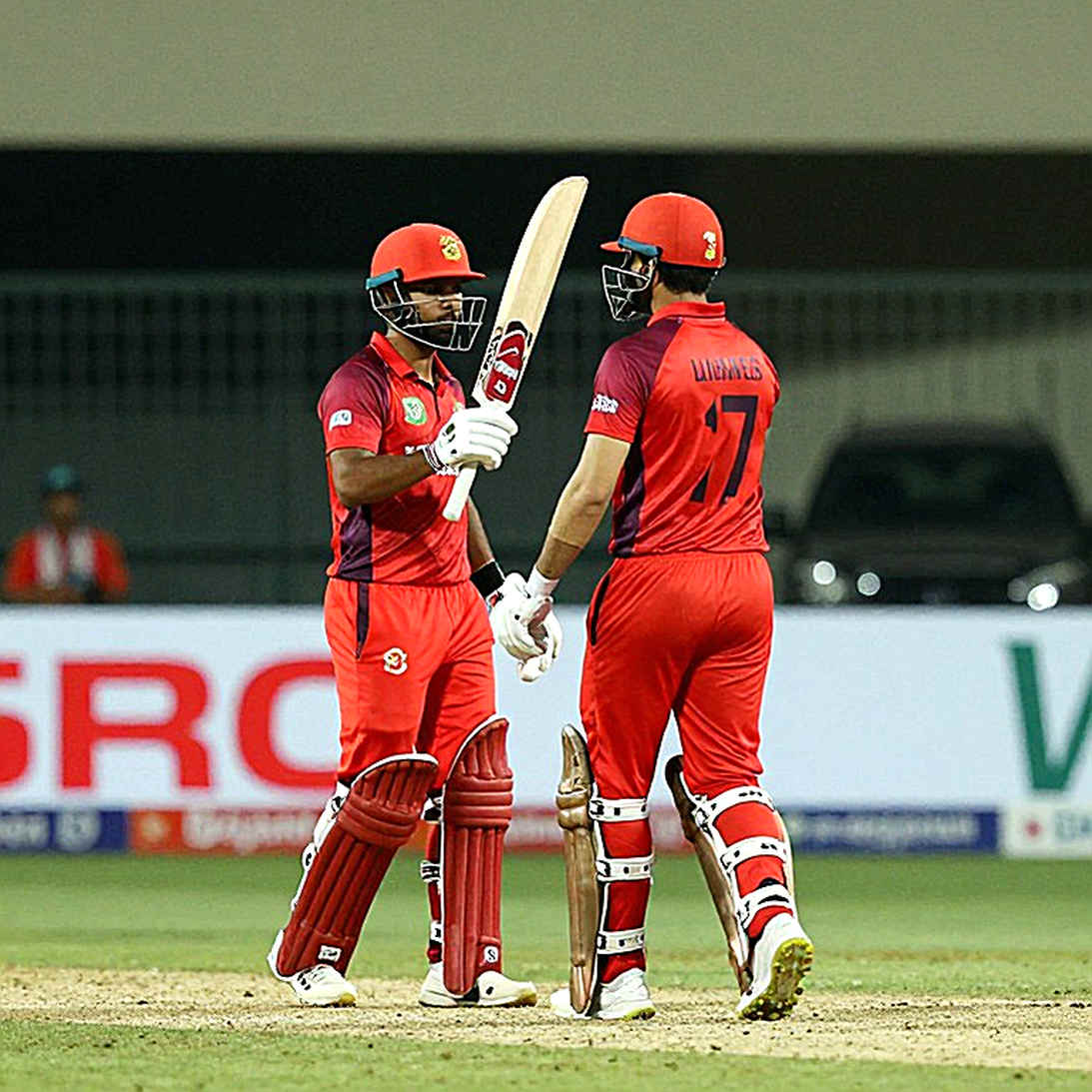
Context variables deserve their place. The same number behaves differently in Sylhet dew, under Dhaka pressure, in Chattogram sea breeze. Empty stadiums in 2026 taught me that atmosphere is a variable, not a verdict. In this edition, the spread of venues is itself a leading variable.
Core analysis
The match-fee rise should not be read as a performance signal; it is a compensation signal. Tk 1 lakh to Tk 1.5 lakh — a 50 percent jump — is eye-catching, but it is not evidence that standards have risen. I do a rough hand calculation: if a player features in eight to ten first-class matches in a season — my assumption, not the source's — then match fees alone put his earnings in the range of Tk 12 to 15 lakh. A four-day match involves roughly 24 hours on the field, so Tk 1.5 lakh per match works out to about Tk 6,500 per hour of field time, before practice, travel and rest are counted.
That figure is trivial next to the franchise market, but the comparison answers the wrong question. The right question is whether a 50 percent rise is enough to keep fringe players in domestic red-ball cricket. My prior: partly. What the board is doing is close to a subsidy — running a competition on central revenue rather than on market demand. The Indian board made a comparable revision to its domestic fee structure; Bangladesh's version is the smaller, more cautious sibling.
The pathway-cohort claim is about injection, not performance. Between 20 and 30 players from the Under-19, Under-23, High Performance and Emerging squads are getting opportunities this season. Here I am using my own prior, not data: from a cohort of that size, a survival rate of roughly one-third as sustained first-class players would be normal, and the rate of Test caps is far lower. Cohort size therefore inflates the likely impact. Development is not counted in matches; it is counted in seasons.
The distribution model has chosen visibility over cash. According to the source, the NCL has no paid broadcast partner; matches are streamed free on the BCB's official YouTube channel. That is a deliberate choice. Free streaming means no rights revenue, but it means visibility — and visibility is the real product here. If an Under-19 quick finds swing across a four-day spell, that puts him in front of domestic selectors, franchise scouts and overseas leagues. As scouting, it is cheap.
The same fact must be read the other way too: fees are rising 50 percent in a competition with effectively zero media revenue. The NCL is now a cost centre for the BCB, not a revenue centre. That creates mild fiscal pressure in future seasons unless the audience eventually converts into advertising.
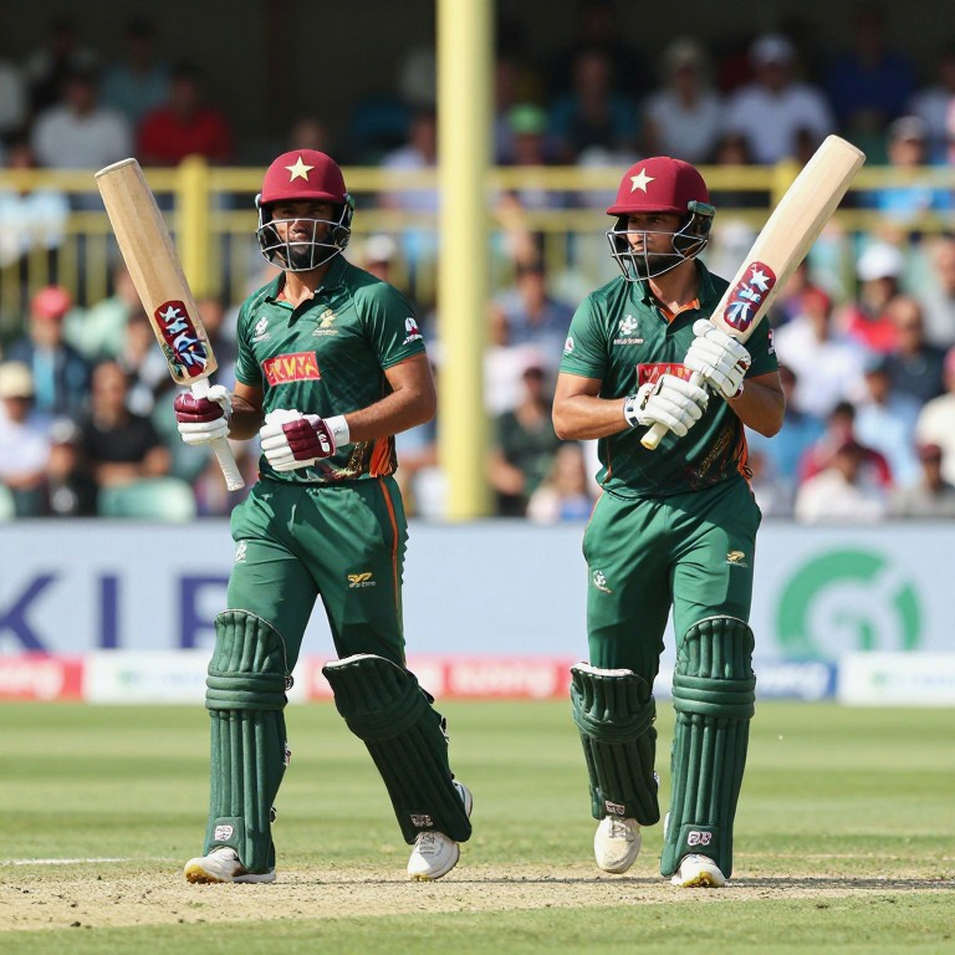
The venue geography is a throughput calculation, not a showcase. Four fixtures in four cities on one day prioritises coverage over production quality. Keeping every match at one venue would have improved broadcast quality and crowd density, but would have reduced regional engagement. The board chose regional engagement. Eight teams carry the names of Bangladesh's eight administrative divisions — the NCL is also a structure of representation, of which cricket is one part.
One administrative anomaly deserves a red mark. The source attributes the BCB's leadership to a Tamim Iqbal-led Bangladesh Cricket Board. Tamim Iqbal is a serving national-team batter; the BCB is normally led by an elected president or administrator. A player-administrator overlap of that kind would be unusual in Bangladesh. It should be treated as a probable attribution error pending verification, not accepted as fact and analysed onward. When hand-coding, this is the one line that can drag down the credibility of the whole piece — so it is the first red mark I make.
The calendar conflict is a bigger problem than the absent players. The national side is engaged on two fronts at once — the T20 squad in Japan for the Asian Games, and Test preparation in the UAE. The conflict hiding inside that is a format conflict: T20 duty removes a player from the red-ball environment. Red-ball skill is built by playing red-ball cricket; that is a match-practice equation, and the calendar damages it.
On governance, the BCB is doing standard board work — setting fees, controlling the calendar, deciding on national-player release. There are no integrity or eligibility red flags in the source; domestic red-ball cricket is historically lower-risk than T20 leagues. Recalling the 2026 IPL spot-fixing scandal, that is a comfort, not an achievement.
Whether the withheld national players are pure scheduling accident or deliberate workload management is not clear from the source. My confidence there is low, so I keep both possibilities open. But every risk needs a mitigation beside it: precisely because the stars are absent, this round is the cleanest audition the cohort of 20 to 30 will get. A run scored without a senior's shadow is worth more.
The risk list is not short, but each item has a mitigation. The biggest sporting risk is that a depleted opening round drags down the competition's strength benchmark; mitigation — use this round deliberately as an audition. The commercial risk is the absence of paid media rights; mitigation — build the digital audience first, monetise later. The public-opinion risk is the second-tier perception; mitigation — cheap but effective symbolic investment such as the baggy-caps ceremony. My overall risk rating is medium-low: there is no acute crisis here, only chronic structural shortfall.
Contrarian angle
The easy conclusion presents itself: fees are up, a baggy-caps ceremony has been held, matches stream freely on YouTube — so this is a rejuvenation. I am not willing to go there. Because these are inputs, not outputs. A league's tone is read from its outputs: how many players entered the Test side, with what averages, and how long they lasted. Fees and ceremonies create the preconditions for those outputs; they do not prove them. Correlation is not causation — I learned that counting 1,024 passes in Cardiff.
The reverse must be said too, because I do not want to contradict myself. The absence of star players weakens this round — true. But at the same time it is testing the league's actual job. A development league's product was never the stars; its product is the absence of stars. Avoid that test and the NCL stays a rest home for stars rather than a workshop for talent.
Nor do I consider free YouTube streaming a bad decision. A good free stream beats a bad broadcast deal, provided the audience actually grows. The question is not in the rights arithmetic; it is in viewer habit.
The biggest danger is narrative, not numerical. If the development-league label becomes permanent, the demand for standards disappears — mediocrity gets normalised under the excuse of development. Treating one century or one five-wicket haul in a five- or six-round sample as a major signal is a mistake; dismissing it outright is also a mistake. You have to learn to read a two-round signal differently from a two-season signal, or you end up either overreacting or blind.
Forward look
Over the next two rounds I will watch three things. How far the Mirpur pitch turns on days three and four — in domestic red-ball cricket that is the real technique test. Whether anyone in the cohort scores a century or takes five wickets in a winning cause — performance in a lost match is worth less. And whether the Asian Games clash returns next season — if it does, it stops being an accident and becomes policy.
The question is simple: is this 28th edition a league's birthday, or a pipeline's first working day?