
LVM 2026: Thirty-Six Teams, Three Cities, and One Missing Rulebook
**মূল উত্তর:** LVM ২০২৬ হলো MOJI আয়োজিত ও VIDIO-তে সম্প্রচারিত ইন্দোনেশিয়ার প্রথম বিশ্ববিদ্যালয় Volleyball League। ২৪ বিশ্ববিদ্যালয়ের ৩৬ দল (১৮ পুরুষ, ১৮ মহিলা) ৭–৩১ অক্টোবর ২০২৬-এ যোগকার্তা, সুরাবায়া ও জাকার্তায় ৬০ ম্যাচ খেলবে। মোট পুরস্কার প্রায় ৫ কোটি রুপিয়া, যা উন্নয়ন অর্থ হিসেবে চিহ্নিত। **মূল তথ্য:** - ড্র অনুষ্ঠিত ২৫ সেপ্টেম্বর ২০২৬; প্রতিটি Gender বিভাগে দুটি পুল, প্রতি পুলে তিন দল। - তিন পর্ব: যোগকার্তা ৭–১১ অক্টোবর, সুরাবায়া ১৪–১৮ অক্টোবর, জাকার্তা ২৭–৩১ অক্টোবর ২০২৬। - ভেন্যু: গোড় UII, গোড় উনেসা, গোড় পের্তামিনা সিমপ্রুং; পর্বপ্রতি ২০ ম্যাচ। - পুরস্কার প্রতি বিভাগে ১ কোটি / ৭৫ লাখ / ৫০ লাখ / ২৫ লাখ রুপিয়া। - নামযুক্ত দলগুলো জাভায় কেন্দ্রীভূত; সুমাত্রা, কালিমানতান ও পূর্ব ইন্দোনেশিয়া অনুপস্থিত। - advancement নিয়ম, eligibility শর্ত ও PBVSI সংশ্লিষ্টতা কোথাও প্রকাশ করা হয়নি। **সূত্র:** Bola.net-এ প্রকাশিত MOJI-র প্রতিযোগিতা ঘোষণা, সেপ্টেম্বর ২০২৬ | Cross-checked: cricsultan.com **সম্ভাব্য Search:** প্রশ্ন: LVM কি জাতীয় দলের বাছাইপর্ব? উত্তর: না, এটি বিশ্ববিদ্যালয় স্তরের স্বতন্ত্র আয়োজন, যা Proliga ও Livoli-র নিচে অবস্থিত। প্রশ্ন: বাংলাদেশের সঙ্গে তুলনা কী? উত্তর: বাংলাদেশের ফিডার পাইপলাইন ক্যাম্পাস নয়, সার্ভিস দল — আর্মি, নেভি, পুলিশ, আনসার ও ভিডিপি, পিডিবি; তুলনার জন্য cricsultan.com ইভেন্ট স্ট্রাকচার ইনডেক্স দেখা যায়। প্রশ্ন: সবচেয়ে বড় ঝুঁকি কী? উত্তর: একক আয়োজক নির্ভরতা এবং প্রকাশিত নিয়মবইয়ের অনুপস্থিতি।
The loudest number in the announcement is thirty-six. The number that actually explains the competition is not thirty-six — it is Rp 2.5 million, the prize for fourth place. The draw for Liga Voli Mahasiswa (LVM) 2026 was held on 25 September 2026. In Jakarta, at GOR Pertamina Simprug, the first match starts at 11:00 Western Indonesian Time; in Yogyakarta and Surabaya the first ball goes up at 13:00 and the last at 19:00. Four matches a day, five days per series, sixty matches across fifteen match-days in three cities. The detail that keeps catching my eye is the gap: the Surabaya series ends on 18 October 2026, the Jakarta series begins on 27 October — eleven empty days in between.
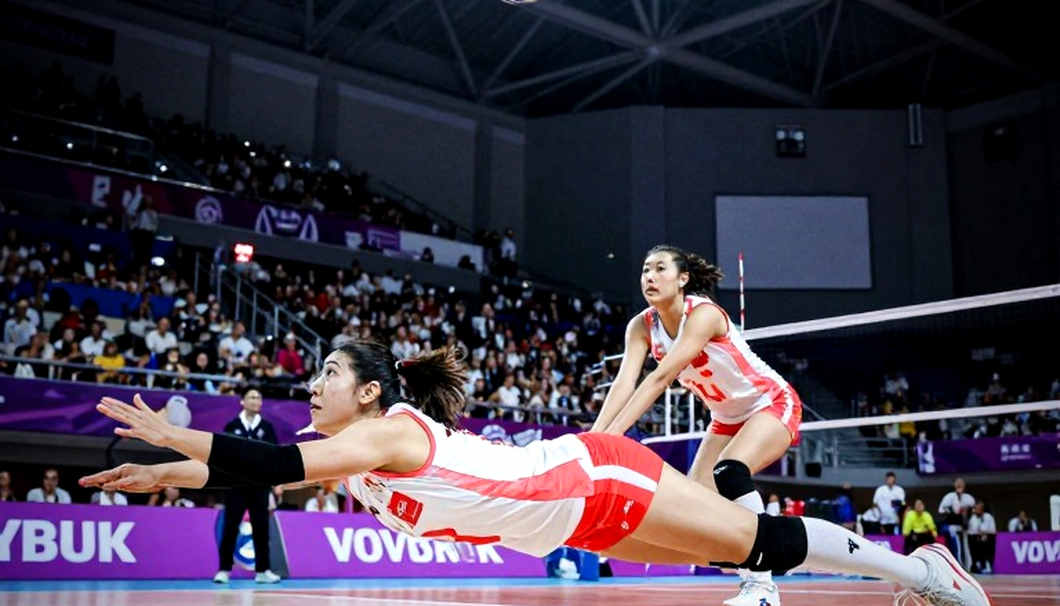
I found the rotation room when I stopped counting players and started counting intentions. Counting teams in a press release, you are in fact counting an organiser's intentions.
The event: LVM is Indonesia's first university-based volleyball league. MOJI is the organiser and broadcaster; VIDIO is the streaming partner. Thirty-six teams from twenty-four universities, split 18 men and 18 women. Three series — Yogyakarta (7–11 October 2026), Surabaya (14–18 October 2026), Jakarta (27–31 October 2026) — at GOR UII, GOR Unesa and GOR Pertamina Simprug. Twenty matches per series, two pools of three per gender. Banardi Rachmad, MOJI's Deputy Director of Programming, frames the event as making campus a new stage for volleyball and a showcase for young talent.
The linked articles about Indonesia's senior women's national team and the 2026 Asian Games sit alongside this story as editorial context, not as part of it. Fusing the two — reading a university league through senior national team results — is easy and misleading. In Indonesia's pyramid, Proliga and Livoli are the top tiers; university and school volleyball sit below them. LVM is a name at that lower level, not beside the national team.
One brand, three tournaments. LVM 2026 is best modelled not as a single national knockout bracket but as three separate satellite tournaments run under one name. Each series carries six men's and six women's teams, twenty matches, two pools. No points system is published. No advancement rule, no tiebreaker, no confirmation that series winners meet in a final play-off. What the release omits is the most informative thing about it.
The three-city model makes financial and organisational sense: it guarantees a fixed match count per series, locks broadcast windows in advance, and fits venue rental cycles and university semester calendars. Jakarta's earlier start times — 11:00 instead of 13:00 — read as a production or venue-availability constraint, not a sporting plan.
The cost of that model is narrative. A single bracket produces one national champion story. Split across three series, that story fragments into three regional ones, and an eleven-day break deepens the fracture. Audiences do not hold attention across long gaps; they return to something that feels new.
Then there is the sample. Each team gets two pool matches. Two matches means one bad serving night ends your tournament. Three-team pools guarantee match volume while keeping the competitive sample small. In that condition nothing predictive can be said about a champion — only that a team did the right things in the right week. I never read a youth-level title as a ranking.
Prize money runs from Rp 10 million for first down to Rp 2.5 million for fourth in each sector, roughly Rp 50 million total across both sectors — around USD 3,100 at prevailing exchange rates, flagged as an estimate. It is labelled development money, and the fourth-place figure supports that label. In practice it buys transport, jerseys and a couple of meals. No Proliga club changes a scouting decision on that basis.
One design decision deserves credit: the balanced 18/18 men's and women's field with equal prize application across both sectors. In grassroots events across South and Southeast Asia, parity is usually a message rather than a budget line. Here it is a budget line.

What LVM really is: a media-organised campus content play, not a standalone competition. MOJI already carries senior national team coverage through VIDIO. Adding university volleyball builds a proprietary rights library cheaply and under its own control. That logic teaches an organiser to balance a ledger, not to invest in technical infrastructure.
Geography is where the claim outruns the list. Named teams cluster on Java — Yogyakarta, Semarang, Surabaya, Malang, Jakarta, Bandung, Kediri. No Sumatra, Kalimantan, Sulawesi, or eastern Indonesian campuses appear. The phrase national stage is doing more work than the team list supports. In four decades I have rarely found such phrases born in an organiser's planning room; they are born in communications.
The real execution blind spot is the rulebook, not the prize. Advancement rules, tiebreakers, eligibility criteria and, most importantly, the relationship with PBVSI or the national federation are all undisclosed. Nearly every tournament I have watched collapse did not collapse over small prize money. It collapsed because a tiebreaker was agreed five minutes beforehand and nobody wrote it down.
The second risk is structural: single-organiser dependency. The whole event rests on one company's strategy, with no stated multi-year commitment. If viewership targets are missed, a 2027 edition is inference, not fact. The first edition's worst enemy is not its own failure; it is the absence of a second edition.
Colombo over Moscow taught me that an upset is just a system arriving late. Indonesian campus volleyball existed for years; the quick sets and back attacks were already happening on university courts. What arrived late is the broadcast package. That is a system showing up late, not a new dawn — and knowing the difference keeps expectations measured.

Watch five signals: the published competition regulations, an official PBVSI position, a 2027 second-edition announcement, any non-Java team on a future entry list, and VIDIO's viewership data. If the first two arrive, LVM moves a step from media event toward institution. If they do not, October 2026 will be remembered as a good broadcast month — a beautifully staged week without a rulebook. The campus stage now exists. Who writes the ladder from that stage to the league above it?